
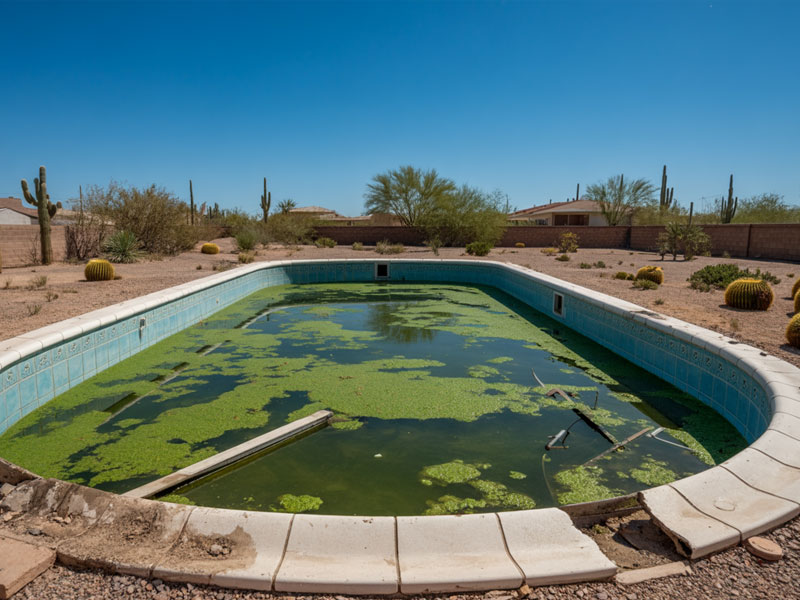
Full Vs. Partial Pool Removal: Which Is Right For Your Mesa Home
If you’re considering removing your pool in Mesa AZ, here’s essential information.
A comprehensive pool removal involves dismantling the entire structure, while a partial one merely fills it up.
Use this guide to determine the optimal choice for your space.
For a complete demolition, every element is discarded–concrete, fiberglass, and all pool components.
Conversely, a fill-in leaves the majority of the structure underground, obscured by dirt.
Are you wondering about permits?
Indeed, you need them for both full and partial tasks.
These permits ensure adherence to local codes and safety standards.
Once your pool is removed, consider revamping your backyard.
You can use landscaping to transform the former pool area into a fresh, exciting space.
Keep an eye on the timeline as well.
Complete demolition requires more time than a partial one due to the extensive effort needed to remove all components and clean up debris.
Selecting an apt contractor can simplify the process. No matter what, you should try to find a professional well-versed in both types of removals, adept at managing permits, and capable of renovating outdoor areas afterward.
Here’s a brief recap: Choosing between filling in or completely removing your pool hinges on your future plans for your property.
You can secure the necessary permits, arrange post-removal landscaping, anticipate varying timelines based on the project’s scope, and just keep in mind that a seasoned professional can streamline this process.
Key Takeaways
- Removing part of a pool is less costly and quicker but leaves structures underground, possibly limiting future plans.
- Taking out the whole pool clears the land for new projects but increases costs.
- Both options require permits from Mesa authorities.
- Consider your budget and how you plan to use your yard in the future before making a choice.
- Homes without pools may sell faster, attracting more buyers.
What Is Partial Pool Removal?
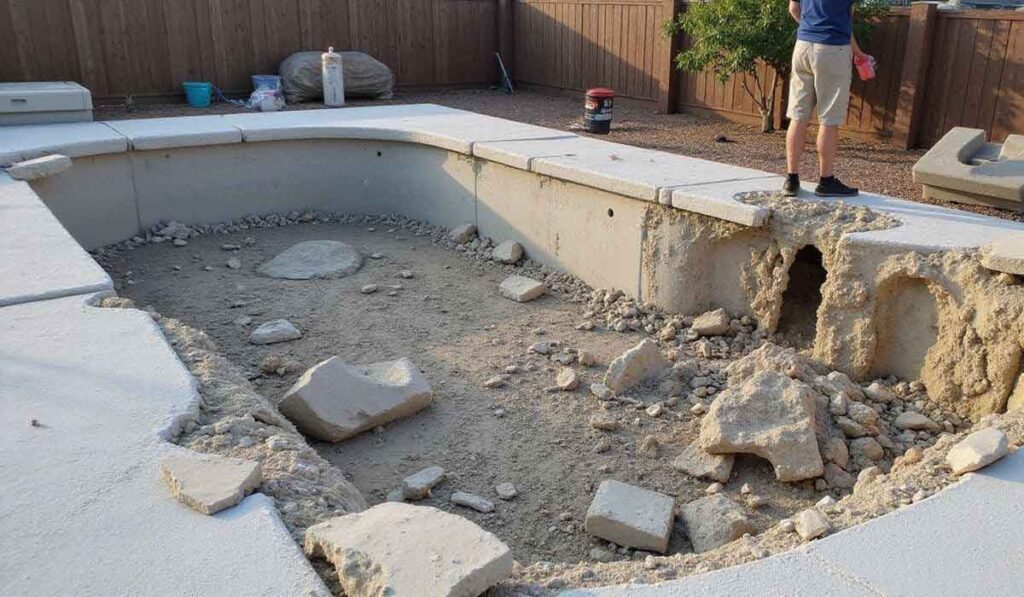
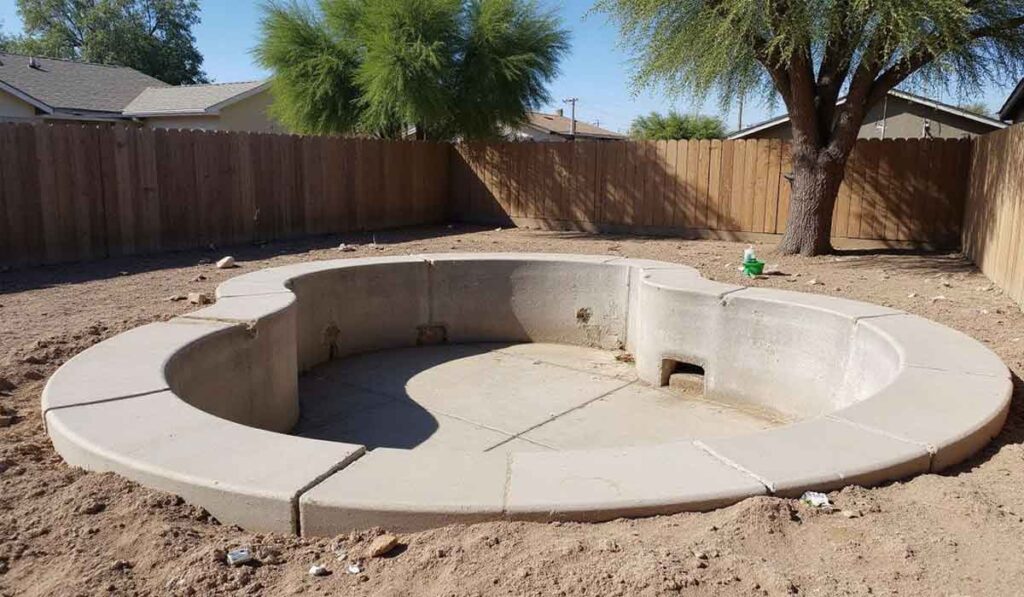
Partial pool removal means removing the upper part of your swimming pool and filling the gap with soil and stones.
This process leaves some of the pool structure underground.
Partial Pool Removal Process Overview
Going for partial pool removal is a wise choice. It involves:
- Draining the pool away from your home to prevent flooding.
- Making holes in the bottom for drainage to stop rainwater from gathering.
- Taking down the top 18 to 36 inches of the pool walls so they are under ground level.
- Filling the left space with gravel and soil, ensuring tight packing and water flow.
This method cuts costs and saves time. Always plan how you want to use your outdoor area after.
Pros of Partial Pool Removal

Removing part of your pool saves money and opens up space for activities like gardening or playing.
It’s cheaper because it involves less digging and fewer materials to dispose of.
Plus, this method is quicker and faces fewer regulations.
You can build on this area later.
Now, moving to partial pool removal’s downsides.
Cons of Partial Pool Removal
Filling in your pool partially might seem like a good idea, but it comes with drawbacks.
One major downside is that it can lower your home’s value compared to removing the whole pool.
This quick solution could lead to bigger problems later on.
For example, building on your property might be difficult due to leftover materials from the old pool.
Local regulations about partial pool removal are often strict, which adds more steps to the process.
Even after filling in part of the pool, you still need to take care of the area, which might not reduce yard work as much as you hoped.
Homebuyers may not like the idea of a partially filled-in pool, making it harder to sell your house later.
Choosing between full and partial pool demolition affects your future plans too.
What Is Full Pool Removal?
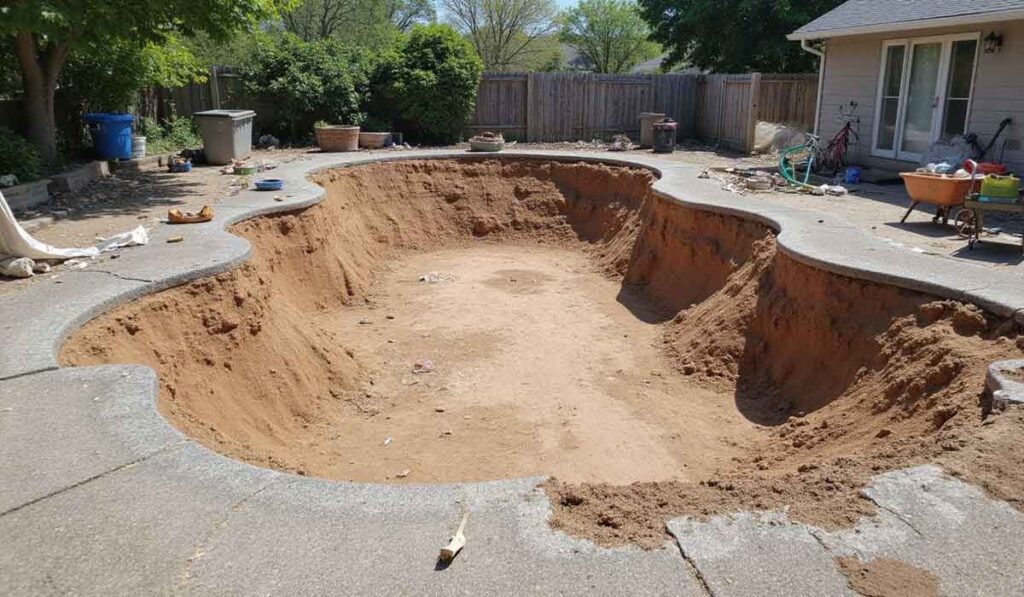
Full pool removal clears out your entire swimming area, down to the soil.
This process resets your backyard for new projects.
Full Pool Removal Process Overview
Taking out your pool in Mesa means new chances for your yard.
- Start by getting pool demolition permits from local authorities.
- Choose a skilled contractor for safe pool removal.
- The team will pump out water to avoid yard flooding.
- They’ll then break apart the concrete or fiberglass shell.
- Removal and proper disposal of all pool debris is next.
- Filling the empty space with dirt comes after, done carefully to prevent settling issues.
- The fill-in area gets compacted for stability, preventing future sinking.
- Now, you’re ready to redo the space – think gardens, patios, or grass.
This process makes your old pool area ready for new projects.
It creates a stable surface free of obstacles like leftover plumbing or concrete fragments.
Although more expensive due to labor and disposal costs, you save on long-term pool upkeep.
Deciding between full and partial removal?
Your choice affects how you can use that yard area later and could impact home value.
Pros of Full Pool Removal
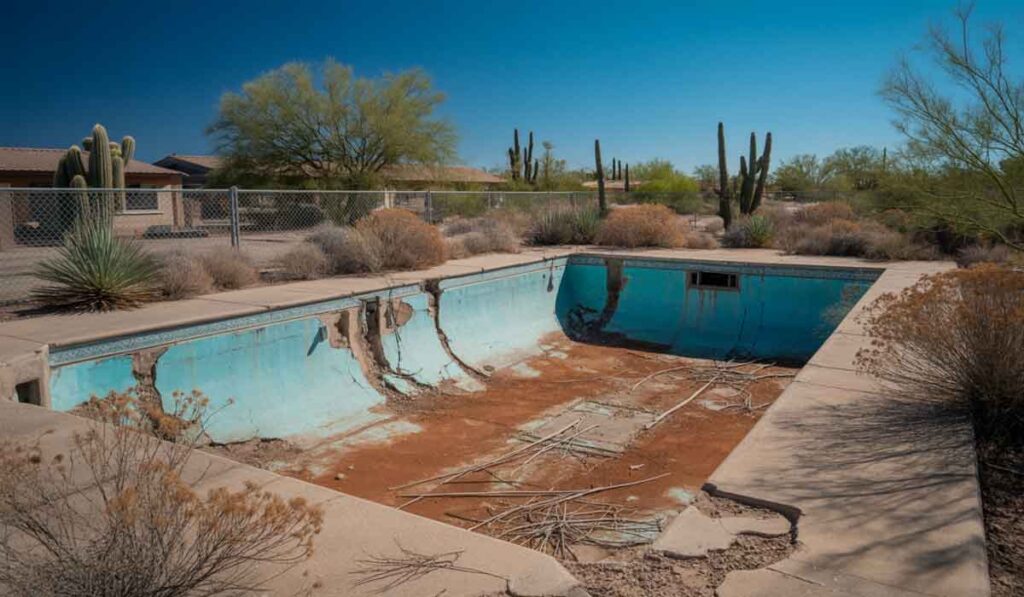
Choosing full pool removal gives you more room for things like gardens or patios.
It reduces safety risks and might help you sell your home by attracting more buyers.
Also, homes without pools face fewer local regulations.
Full pool removal opens up your backyard for new possibilities and makes the area safer by eliminating hazards of an old pool.
Selling a house without a pool can also be easier because it might appeal to more people.
Keep in mind, there are some downsides to consider before deciding on full pool demolition.
Cons of Full Pool Removal
Full pool removal costs more initially but can be worth it.
The process might significantly disrupt your yard and plants.
If you plan to sell your home, keep in mind that some buyers prefer homes with pools.
Dealing with city regulations is a big part of the project.
Mesa enforces strict rules for pool demolition, requiring various permits, especially if you plan to build on the pool’s site later.
This can complicate and delay your project.
For those in Mesa deciding between partial and full pool removal, know each option has its pros and cons.
Full removal offers a clean slate for landscaping but comes at a higher cost and more paperwork for permits.
Partial removal is less expensive but leaves some structure underground, which may affect future construction plans.
How to Decide Between Partial and Full Pool Removal
Deciding between pulling the whole pool out or just part?
Here’s a quick guide that’ll help you choose what’s best for your Mesa home.
| Aspect | Partial Pool Removal | Full Pool Removal |
|---|---|---|
| Process | Filling the old pool with dirt or materials. | Knocking down the pool structure completely. |
| Cost | Less cash upfront. | More money at the start but saves in the long run. |
| Flexibility for Future Use | Limits what you can do later because of the leftover shell. | More freedom to build or landscape as you wish. |
| Local Regulations | May have specific rules about filling in pools. | Often more regulations, but clear path for property use. |
| Resale Value | Can be a downside for some buyers who see it as a problem. | Often boosts your home’s market appeal. |
| Maintenance | Potential for costs linked to the unfilled part of the pool. | No more pool, no more pool worries. |
| Long-Term Planning | Think about your future projects in the yard. | Consider how removing the pool entirely fits your long-term vision. |
So, take a stroll around your backyard, and picture your space in the future.
Will a filled-in pool limit your dreams of a big garden or a new building?
Or is saving money now with a partial removal more your speed, even if it means you might have some considerations to tackle down the road?
Whatever you decide, make sure it fits not just your budget but your future plans for your home in Mesa AZ.
Conclusion
When choosing between full and partial pool removal, consider your yard’s needs, your budget, and local regulations in Mesa.
Full pool demolition offers a clean start for new projects but costs more.
Partial pool removal is less expensive and faster but doesn’t remove everything.
Consult with experts to decide based on your future plans.
Whether you’re getting rid of the whole pool or just part of it impacts both the look and function of your outdoor space.
FAQs
1. What’s the difference between full pool removal and partial pool removal?
Full pool removal involves the demolition of the entire inground pool, including concrete and pool plumbing. Partial pool removal, on the other hand, only removes parts of it like a portion of your fiberglass or concrete shell while leaving some debris behind.
2. How is landscaping impacted after removing my Mesa home’s swimming hole?
After your full or partial pool demolition, you can transform your outdoor space into a new garden or patio area as you wish! Just remember to consider proper drainage so that floods don’t ruin your newly landscaped paradise.
3. Do I need permits for removing my swimming oasis in Mesa AZ?
Yes indeed! Pool removal permits are necessary whether you’re doing a full or partial elimination job. It would be wise to hire an experienced contractor who knows his way around these legalities.
4. Can I do this myself instead of hiring a pro?
While doing it yourself might sound tempting for saving money, bear in mind that tasks such as draining water resources from pools, dealing with septic systems (if connected), and handling extreme heat conditions during Arizona summers could be risky without professional help!
5. What happens to all that dirt and rubble post-pool obliteration?
The leftover cavity from either type of extraction will typically get filled with dirt connections by professionals who ensure no pollutants contaminate ground waters nearby.
6. How long does it take to kiss goodbye to my backyard lagoon?
The timeline for saying adios depends on several factors like size, material (concrete vs fiberglass), weather conditions etc., but generally speaking – expect anywhere between one week to several weeks until you can wave bye-bye!